
💦The Rest of the Hydration Story: Electrolytes
Recipe: Homemade Electrolyte Drink 🫗

Hey 7410 Style Family,
I started drinking a daily electrolyte solution because of muscle cramps and frequent urination at night. I had decreased the amount of carbs I was eating to better control my glucose levels and had increased the amount of water I was drinking…by a lot. Hey, I though more water would properly hydrate me. What I didn’t realize is that combination was probably causing an imbalance in my electrolytes. That imbalance, low levels in my case, led to muscle cramps and too many visits to the bathroom.
If you’re like me, Gatorade and Gatorade Zero are not an option for electrolyte replacement because of the sugar, chemical sugar substitutes, modified food starch, and weird coloring chemicals. Gatorade did raise awareness about the importance of electrolytes for hydration. Sure, the ingredients are very different today, but there was a little hydration magic called electrolytes in the original concept.
The Original Ingredients
The history of Gatorade is fascinating. Researchers at the University of Florida, including Dr. Robert Cade, invented the sports drink in 1965 to help the football team hydrate and improve performance. Can you imagine football practice with pads in the hot, humid Florida sun? 😓 The original ingredients were water, sodium, sugar, potassium and phosphate. So simple, right? Today, Gatorade is owned by PepsiCo and is distributed to over 80 countries.
What are electrolytes?
Electrolytes are just minerals. In our bodies, these minerals carry an electric charge and help with nerve signaling, muscle contraction and fluid balance, among other functions. The most common one is sodium, or Na. Sodium is crucial for fluid balance, blood pressure, and nerve and muscle function.
Potassium, K, is important for our muscles to function and our hearts to maintain a steady rhythm. It also helps regulate cellular electrical activity.
Magnesium, Mg, also helps to support muscle and nerve function. There are many different types of magnesium that do everything from supporting energy to developing bones to sleeping better to relieving anxiety to relieving muscle cramps. Sounds like the Swiss knife of minerals, right?
There are other minerals like calcium, which most people get enough through food or drink, bicarbonate, which the body can manufacture, and chloride, which sodium and potassium are usually paired with anyway. Today, we’re concentrating on sodium, potassium and magnesium and what happens when those three get out of balance.
When electrolyte levels are too low or too high, your muscles may feel weak or even cramp up, your heart may beat irregularly, and you may experience confusion and fatigue. For me, I found that I had to urinate. A lot. Hmmm, that probably deserves an exclamation point or two ‼️ because I was going almost every hour. In fact, I had to go more often than our senior companion dog Max. On the plus side, that kept me from sitting too long. Always a silver lining, eh?
Keep in mind that if you’re experiencing symptoms of electrolyte imbalance, it might not be just because you aren’t consuming enough fluids and electrolytes in your food and drink. This imbalance can be caused by burns, kidney dysfunction, medications, liver conditions, illness, heat or excessive sweating (the kind where you’re losing sodium).
As in the case of sodium, it’s important to talk to your doctor about any changes you’re making. There are no simple fixes for the highly complex system known as our body. It can compensate for a long time before some type of deficiency or hidden illness becomes catastrophic.
Why is the combination of water and electrolytes so important for hydration?
When your body can maintain a balance of water and electrolytes, it can regulate hydration. Hydration is not just about being thirsty. It’s really about transporting nutrients, removing waste, maintaining body temperature, regulating how water moves between cells and fluids like blood plasma, interstitial fluid (where the CGM or continuous glucose monitors work), and lymph fluids.
Water is absolutely essential for this process, but it’s the electrolytes that help control the movement of water in your body. When the electrolytes are in balance, they keep cells from shrinking or swelling excessively. They help keep water in the bloodstream and your fluids balanced. They control the electrical impulses that operate nerve and muscle functions.
But What About Sugar?
You’re probably thinking, well, the original Gatorade formula included sugar. Are carbs or sugar needed in an electrolyte drink? For most people, the answer is no.
Sodium and fluids can absorb into your body just fine by themselves. But what helps the absorption become more efficient is by pairing them with molecules like potassium, chloride, phosphorus, amino acids and yes, glucose.
What researchers have found is that if you are ill or an endurance athlete trying to eke out maximum performance (definitely, not me 😥), glucose can help. In cases of illness, like diarrhea, researchers have found that a formula of 13.5g of glucose and 2.6g of sodium in a liter of water helps to rehydrate patients. For endurance performance, a 2010 study found that glucose from 15g up to 60g per hour could improve performance from 7.4% to 10.7%.
Probably, the best way to find out if you need to add glucose in your electrolyte drink is to experiment with it. Add about 15g of glucose to your drink and see if that helps. But essentially, unless you’re recovering from diarrhea or are working out hard for over 60 minutes, the research so far doesn’t say that glucose is necessary. For me, the sugar causes my glucose to spike, so I try to avoid it whenever possible.
What can we do about it?
A balanced diet with lots of plants and drinking enough water are important to keeping your fluids in balance and staying hydrated. Once you’re eating well and getting enough water, it’s time to look at additional electrolytes.
If you’ve been depending on sports drinks to provide your electrolytes, be sure to check the nutrition label. Some sports drinks contain mostly sugar, a little sodium and very little potassium. If your body can’t handle the sugar (like mine), it may not be the best option. I stay away from the sugar free versions, too, because of the artificial sweeteners, dyes, and small amounts of sodium and potassium. So, where to start?
The first step is to take a look at your lifestyle:
How active are you? You could be losing sodium in your sweat.
Do you spend a lot of time in hot and humid environments? Again, sodium loss through sweating. Also, I would not have said that I live in a hot and humid environment, but after days of extreme heat alerts, I’ve changed my tune…at least during the summer months.
Have you switched from a diet loaded with fast foods, ultra-processed foods (think chips, ready-to-eat meals) to one with more whole foods? You’re probably consuming a lot less sodium than you used to.
Are you on a low-carb diet or are fasting? You’re probably consuming less sodium while losing more sodium in your urine. Researchers have found that low-carb dieters tend to lose more electrolytes than normal.
Are you experiencing any of the signs of low electrolytes including muscle cramps and spasms, weakness, fatigue, headaches, increased thirst, brain fog and even dizziness and confusion?
If you answered yes to any of the above questions and you think you’re low in electrolytes, the next step is to determine the best way to get them. You may just be low on sodium. (see more in last week’s newsletter: Running From the Salt Demon)
Say you get plenty of sodium but need a small amount of magnesium or potassium to make up the difference. You can find these minerals in many foods. Spinach and kale are sources of calcium and magnesium. Avocado, watermelon and sweet potato contain potassium. Nuts are good sources of magnesium, and lentils and soybeans contain magnesium, potassium and phosphorous.
If you’re still experiencing symptoms of low electrolytes after trying to make up the difference with food, the next step is to mix your own electrolyte drink (see today’s recipe below) or buy a pre-made supplement.
Finally, you can experiment with the best time to drink your electrolyte solution. Your lifestyle, environment and body are unique. If you’re new to electrolyte drinks, I suggest starting in the morning. You don’t have to down it all in one shot. You could sip it along with your water over a few hours and see how you feel. Or you could drink the electrolyte solution before or after your workout, especially if it’s high intensity or in hot weather. Another time you could try drinking is before mental work for better clarity or focus, or afterwards for recovery. So much depends on your individual needs.
Sorry to repeat this reminder! Because electrolyte solutions can contain a lot of sodium, it’s important to talk to your doctor about any changes you’re making, especially if you’re hypertensive or pre-hypertensive.
Take a look at your hydration needs. Are you able to hydrate properly? If so, keep up the great work. If you’re looking for improvement, it may be time to consider a little electrolyte magic.
Wishing you the best,
Rhonda
P.S. You can catch up on past newsletters at the 7410 Expanded website.
👩🍳In the Kitchen: Homemade Electrolyte Drink 🫗
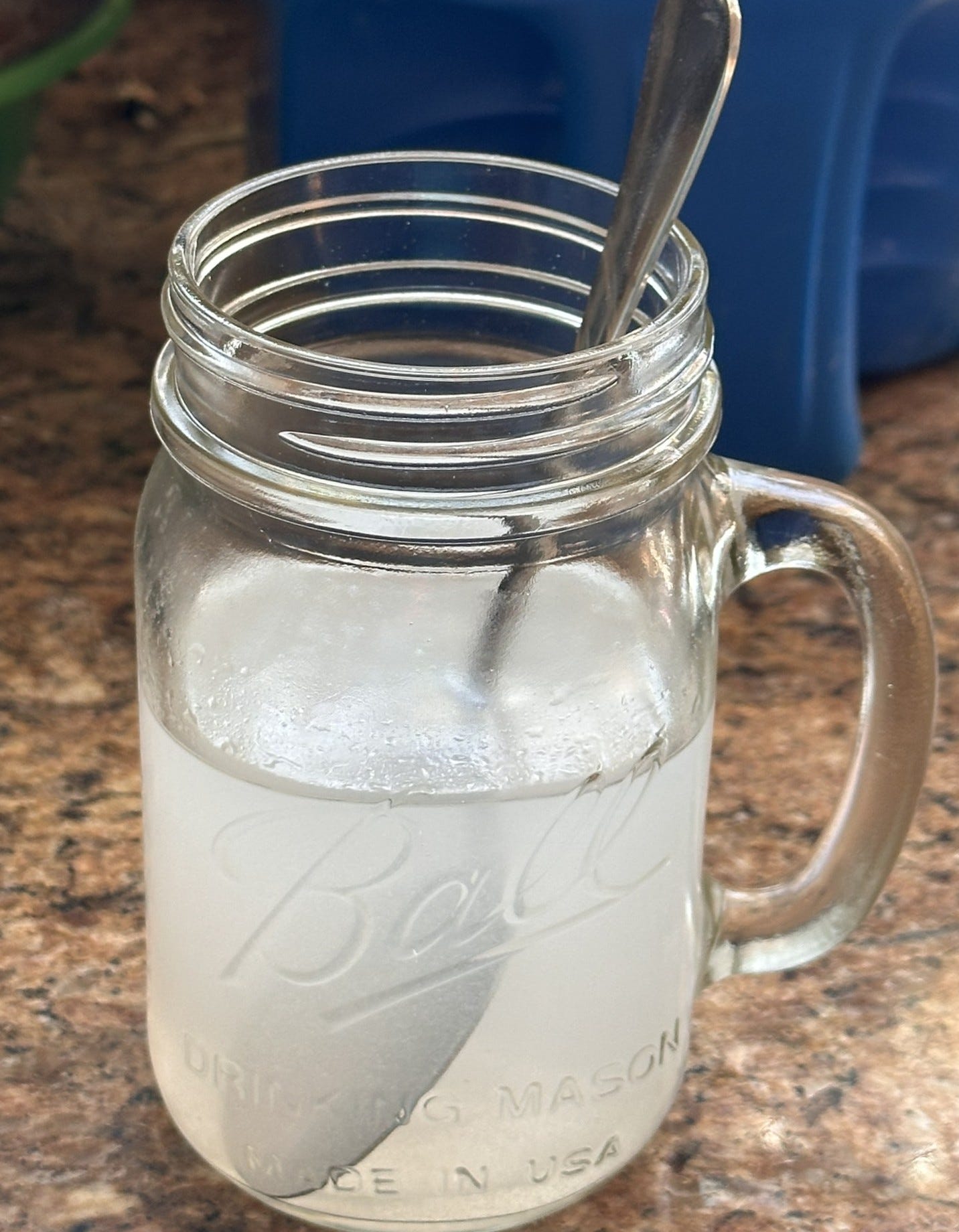
The formula that my family and I have found that works the best is LMNT’s Electrolyte homemade recipe. (Check out the link for more information: https://science.drinklmnt.com/electrolytes/best-homemade-electrolyte-drink-for-dehydration/) The recipe below will give you 1,000mg of sodium, 200mg of potassium and 60mg of magnesium, so make sure you’re not combing this with a bag of chips or a bowl of cup noodles!
We don’t travel much, so we don’t need the individual packets, and I have the time to mix up the solution. I “batch” it, that is, make 30 servings at a time with the recipe below.
Also, there are many ways that you can flavor it. I’ve gotten used to drinking salty-tasting water, but it is nice to have orange or other flavors for a change. I use essential oils, especially doTERRA’s Wild Orange essential oil, but there is a world of flavors out there from extracts like this orange extract by Amazon to adding fruit like oranges or raspberries. I’ve bought the potassium chloride and magnesium malate from both Amazon and Walmart online. Last note is that you will need a kitchen scale for this recipe.
Ingredients
•	75g of Morton’s Coarse Kosher salt
•	11.5g of potassium chloride
•	11.7g of magnesium malate
•	1 cup (8oz.) or more of water
•	Optional flavoring such as orange extract, food-grade orange essential oil, ¼ cup blended orange or tangerine pieces, ¼ cup blended raspberries, 2 tablespoons of lime juice.
Instructions
•	Mix all of the ingredients together in a storage container.
•	Measure out about 3.3g of the electrolyte powder and add it to water.
•	Add optional flavoring and shake, stir or both until the powder is dissolved. Chill or add ice to enhance the flavor.
•	Note: You could add this to powder and optional flavoring to a liter or more of water or your water bottle. It really depends on your taste preferences.